
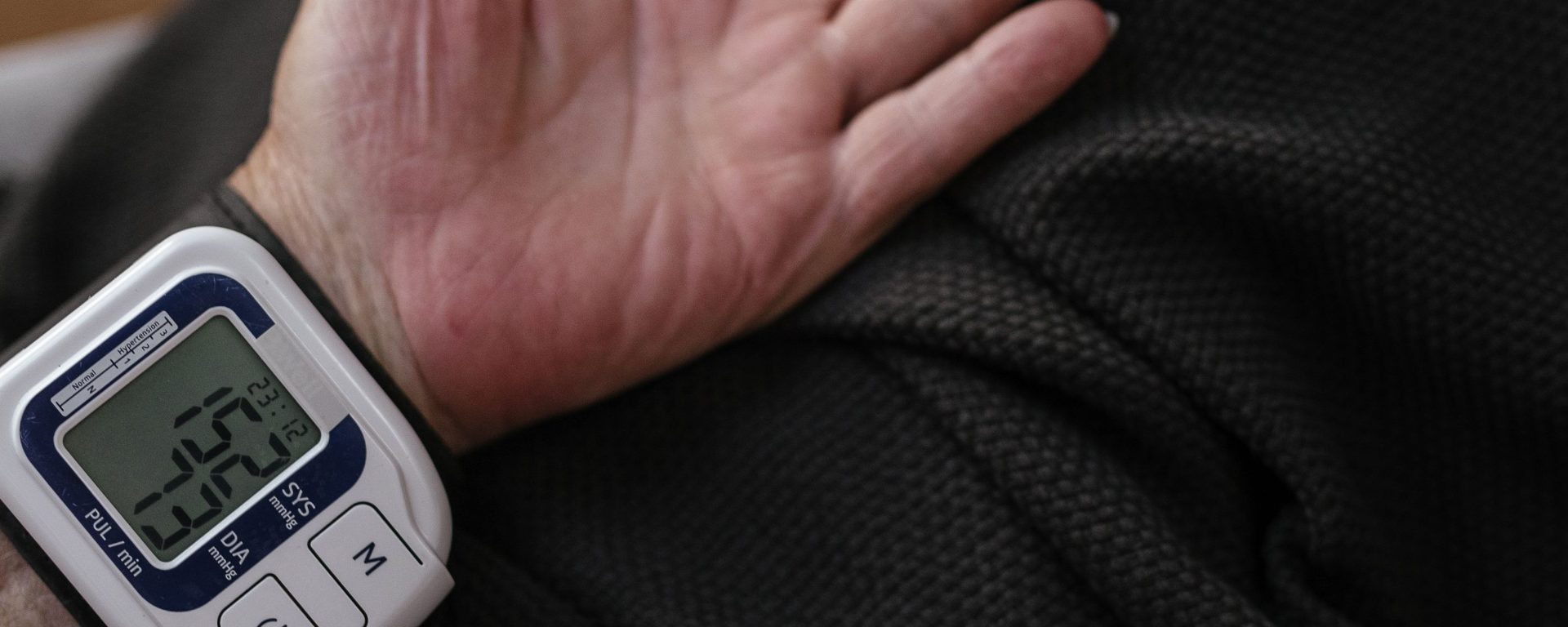
Blood pressure is often treated as a single number, but it is actually a measurement that can change throughout the day. Stress, physical activity, sleep, caffeine, hydration, medications, illness, and even the circumstances surrounding a measurement can affect the result.
That is one reason a single elevated reading does not always tell the complete story.
Understanding how blood pressure naturally fluctuates can help people make better decisions about when to measure it, how to interpret readings, and when to discuss changes with a healthcare professional.
What Blood Pressure Actually Measures
Blood pressure describes the force of blood pushing against the walls of the arteries.
A reading contains two numbers. The first is systolic pressure, which represents pressure when the heart contracts. The second is diastolic pressure, which represents pressure when the heart relaxes between beats.
Both numbers provide useful information, but they should be interpreted in context rather than viewed independently.
Why Readings Change
Blood pressure normally responds to what the body is doing.
During exercise, the heart works harder and systolic blood pressure generally rises. After activity stops, it gradually moves back toward a resting level.
Emotional stress can also cause a temporary increase. When the body perceives stress, hormones such as adrenaline can increase heart rate and constrict blood vessels.
Other everyday factors can influence measurements as well.
Caffeine may temporarily raise blood pressure in some people. Smoking can also affect cardiovascular measurements. Dehydration, pain, illness, a full bladder, and lack of sleep may contribute to temporary changes.
Even talking during a measurement can affect the result.
The Importance of Consistent Measurement
If you are monitoring blood pressure at home, consistency matters.
Try to measure at roughly similar times when possible. Sit quietly for several minutes beforehand, keep your back supported, place both feet on the floor, and support your arm so the cuff is positioned appropriately.
Avoid measuring immediately after exercise, caffeine, smoking, or a stressful activity when the goal is to obtain a resting reading.
Taking two readings a minute or so apart can also provide a more useful picture than relying on a single measurement.
Look for Patterns, Not Isolated Numbers
One unusual reading does not necessarily indicate a long-term problem.
For example, someone might have a higher reading after rushing home from work and a lower reading after sitting quietly for several minutes.
This is why healthcare professionals may ask patients to keep a blood pressure log.
Recording readings along with the approximate time and relevant circumstances can reveal patterns that are difficult to identify from one measurement.
When to Seek Medical Attention
Persistently elevated blood pressure deserves medical attention because hypertension can contribute to cardiovascular and kidney problems over time, often without causing noticeable symptoms.
Extremely high readings accompanied by symptoms such as chest pain, severe shortness of breath, weakness, confusion, or difficulty speaking require urgent medical evaluation.
People taking blood-pressure medication should not change their dose based solely on home readings unless their healthcare professional advises them to do so.
Small Habits Can Support Healthy Blood Pressure
Regular physical activity, a balanced diet, maintaining a healthy weight when appropriate, avoiding tobacco, moderating alcohol, managing stress, and getting sufficient sleep can all contribute to cardiovascular health.
The goal is not to make every reading perfect. The more useful goal is to understand your usual pattern and address persistent abnormalities with appropriate professional guidance.
Blood pressure is dynamic. Learning how and why it changes can make home monitoring more meaningful and help turn individual numbers into useful information about overall cardiovascular health.
What do you think about this article? Please share it and comment.
You would like to ask a question, publish an article with us or place and advertisement? Please contact us.

