
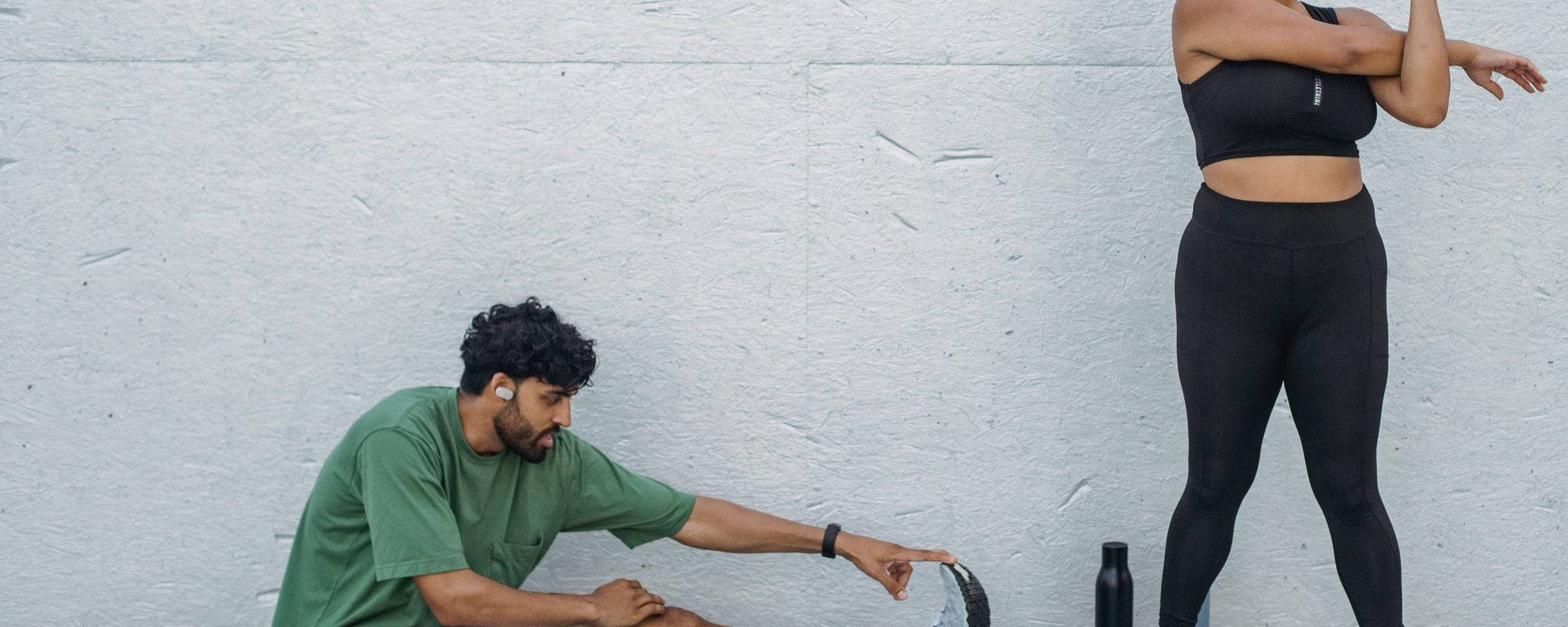
When people think about exercise, they usually picture strength training, running, cycling, swimming, or stretching.
Balance is less likely to make the list.
Yet the ability to control your body while standing, walking, changing direction, or reaching is an important part of physical function. Balance training can be useful for people of many ages and fitness levels.
Balance Is More Than Standing on One Leg
Balance depends on several systems working together.
Your eyes provide information about your surroundings. Your inner ear contributes information about movement and orientation. Sensors in your muscles and joints help your brain understand where different parts of your body are positioned.
The brain combines this information and coordinates muscle activity to keep you stable.
That is why balance can improve through practice.
Why Balance Changes With Age
Balance can become more challenging as people get older.
Changes in muscle strength, vision, reaction time, joint mobility, and sensory systems can all influence stability.
However, reduced balance is not an unavoidable consequence that must simply be accepted.
Regular physical activity can help maintain strength and coordination, while specific balance exercises provide an additional challenge.
Start With Simple Exercises
Balance training does not have to involve complicated equipment.
One simple exercise is a supported single-leg stand.
Stand near a sturdy countertop or chair. Hold the support if needed and lift one foot slightly from the floor. Maintain an upright posture and control the position rather than trying to hold it for an extremely long time.
Switch sides.
As your balance improves, you can gradually reduce your reliance on the support.
Try Heel-to-Toe Walking
Heel-to-toe walking challenges your ability to control movement while reducing the width of your base of support.
Place one foot directly in front of the other and walk slowly in a straight line.
Use a clear area and stay close to a stable surface when practicing.
Do not rush.
The purpose is controlled movement, not speed.
Add Movement, Not Just Stillness
Everyday life rarely requires you to stand completely still.
You turn, reach, step sideways, climb stairs, carry objects, and change direction.
For that reason, balance exercises can eventually include controlled movement.
Side steps, gentle step-ups, controlled reaching, and slow changes of direction can challenge balance in ways that more closely resemble everyday activities.
Strength and Balance Work Together
Balance should not replace strength training.
Strong legs and hips provide the physical foundation needed for many balance tasks.
Exercises such as sit-to-stand movements, squats, step-ups, and appropriately selected resistance exercises can help build strength.
A balanced exercise routine can therefore combine strength, aerobic activity, mobility, and balance work.
Frequency Matters More Than Complexity
You do not need a dedicated one-hour balance workout.
A few minutes several times a week can be a practical way to introduce balance exercises into an existing routine.
For example, balance practice can be included during a warm-up or after a walking session.
The key is consistency.
Safety Comes First
Balance exercises can increase the risk of falling if performed in an unsafe environment.
Practice away from clutter, wet floors, stairs, or sharp furniture. Use a sturdy support when necessary.
If you have significant balance problems, frequent falls, severe dizziness, unexplained weakness, or a medical condition affecting movement, speak with a healthcare professional before beginning challenging balance exercises.
Balance training should make you more capable, not put you unnecessarily at risk.
Build Fitness for Real Life
Fitness is not only about lifting heavier weights or running faster.
Being able to get up from a chair, walk confidently, turn without losing stability, step over an obstacle, and move through daily life with control are valuable measures of physical fitness.
Adding a few balance exercises to your weekly routine is a simple way to train those abilities.
You do not have to be an athlete to benefit. Balance is a skill for everyday life.
What do you think about this article? Please share it and comment.
You would like to ask a question, publish an article with us or place and advertisement? Please contact us.

