
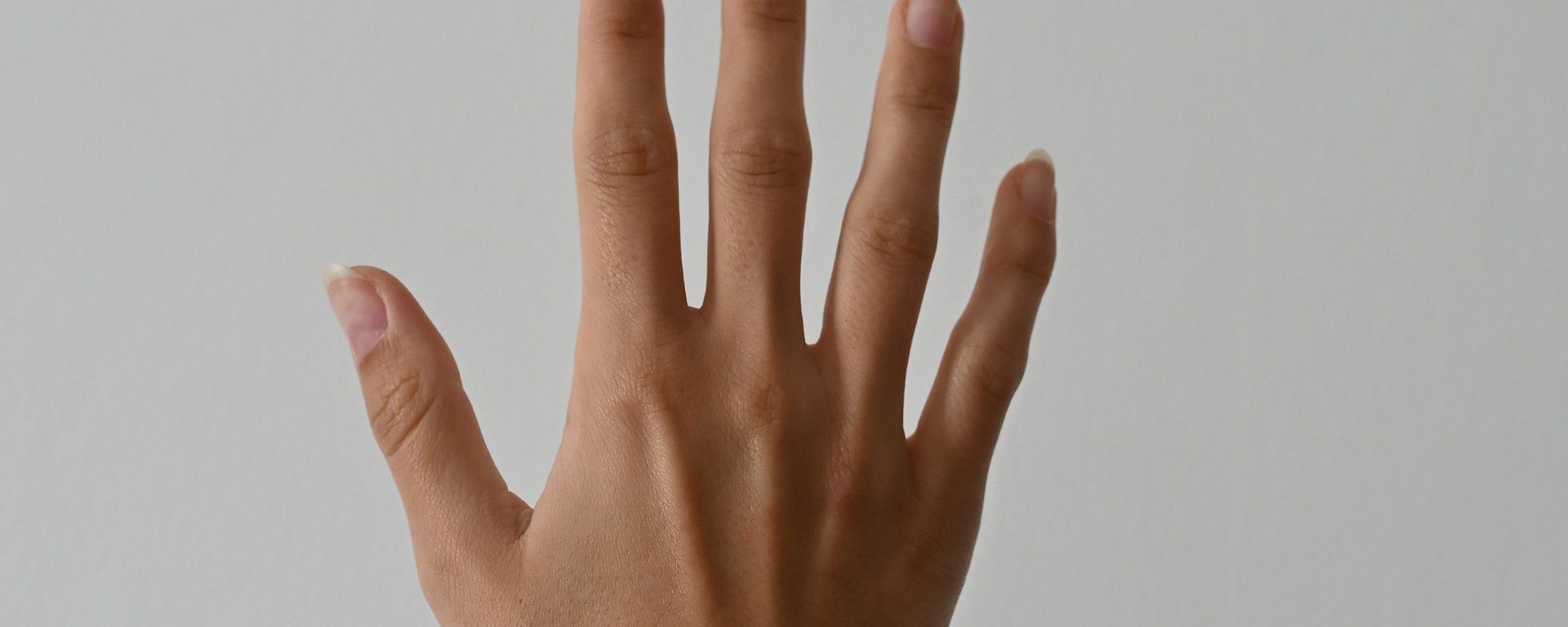
Your hands are constantly in use, so it is easy to overlook changes in their appearance or function. Dryness, swelling, color changes, numbness, or changes in the nails can sometimes be connected to everyday factors, but persistent changes may deserve medical attention.
The hands cannot diagnose a health condition on their own. However, they can provide clues that are worth noticing.
Persistent Swelling
Temporary swelling can occur after heat exposure, prolonged activity, or eating a particularly salty meal.
Persistent or unexplained swelling is different.
Swelling affecting the fingers, hands, or other parts of the body can have many possible causes, including inflammation, medication effects, circulation problems, or other medical conditions.
If swelling appears suddenly, is severe, affects only one side, or occurs together with significant pain, weakness, chest discomfort, or breathing difficulties, seek medical attention promptly.
Changes in Skin Color
Skin color naturally varies according to temperature, circulation, and individual characteristics.
Hands can temporarily appear red after exercise or cold after exposure to low temperatures. However, recurring or persistent changes can sometimes be associated with circulation or other health issues.
Fingers that repeatedly become unusually pale or blue in response to cold or stress may warrant discussion with a healthcare professional, especially if the episodes are frequent or painful.
Numbness and Tingling
Everyone occasionally experiences a hand or arm falling asleep.
The sensation usually disappears after pressure is removed.
Repeated numbness or tingling, however, should not automatically be dismissed. Nerve compression at the wrist, problems involving the neck, certain medications, nutritional deficiencies, diabetes, and other conditions can contribute to abnormal sensations.
Pay attention to when the symptoms occur, which fingers are affected, and whether weakness accompanies the sensation.
Changes in Grip Strength
Grip strength can naturally change with age and activity level.
But a noticeable or unexplained decline in the ability to hold objects, open containers, turn keys, or perform familiar tasks may deserve evaluation.
Particularly important is a sudden change affecting one hand or arm, especially when it occurs together with facial drooping, difficulty speaking, severe dizziness, or weakness elsewhere in the body. These symptoms can be signs of a medical emergency.
Dry and Cracked Skin
Dry hands are extremely common.
Frequent handwashing, alcohol-based sanitizers, cold weather, low humidity, detergents, and occupational exposure can all contribute.
A fragrance-free moisturizer applied regularly can help reduce dryness. Wearing protective gloves when handling irritating cleaning products may also help.
If cracking is severe, painful, bleeding, or accompanied by persistent redness and itching, a skin condition such as dermatitis may be involved.
Nail Changes
Nails grow slowly, which means changes can sometimes provide a longer-term record of what has happened to the body.
Minor ridges and changes in nail texture are often harmless. However, persistent discoloration, separation from the nail bed, unusual thickening, or major changes in nail shape should be evaluated if they cannot be explained by injury or another obvious cause.
A single nail change does not necessarily indicate an internal disease. Nail appearance can be affected by trauma, infections, cosmetic treatments, and many other factors.
Cold Hands
Some people naturally have cooler hands than others.
Cold temperatures, stress, caffeine, circulation, and individual physiology can all play a role.
If your hands are consistently cold indoors or become painful, numb, unusually pale, or blue, consider discussing the pattern with a healthcare professional.
What Your Hands Cannot Tell You
It is important not to turn every visible change into a diagnosis.
Online health content often encourages people to interpret individual physical features as evidence of a specific disease. In reality, most signs are nonspecific.
A swollen finger may have a simple explanation. A nail ridge may be completely harmless. Dry skin may simply reflect frequent handwashing.
The useful approach is to consider patterns rather than isolated signs.
Notice changes that are new, persistent, worsening, painful, or associated with other symptoms.
Your hands are not a medical diagnostic tool, but paying attention to them can encourage you to notice changes that are worth discussing with a healthcare professional.
What do you think about this article? Please share it and comment.
You would like to ask a question, publish an article with us or place and advertisement? Please contact us.

