
Yoga comes in many forms, but one of the biggest differences between styles is pace. Some classes move slowly and deliberately, while others flow quickly from one pose to the next. If you’ve ever wondered whether slow or fast yoga is “better” for your body, the answer isn’t one-size-fits-all—it depends on your goals, your current condition, and what your body truly needs.
Understanding the Two Styles
Before comparing benefits, it helps to define what we mean by slow and fast yoga.
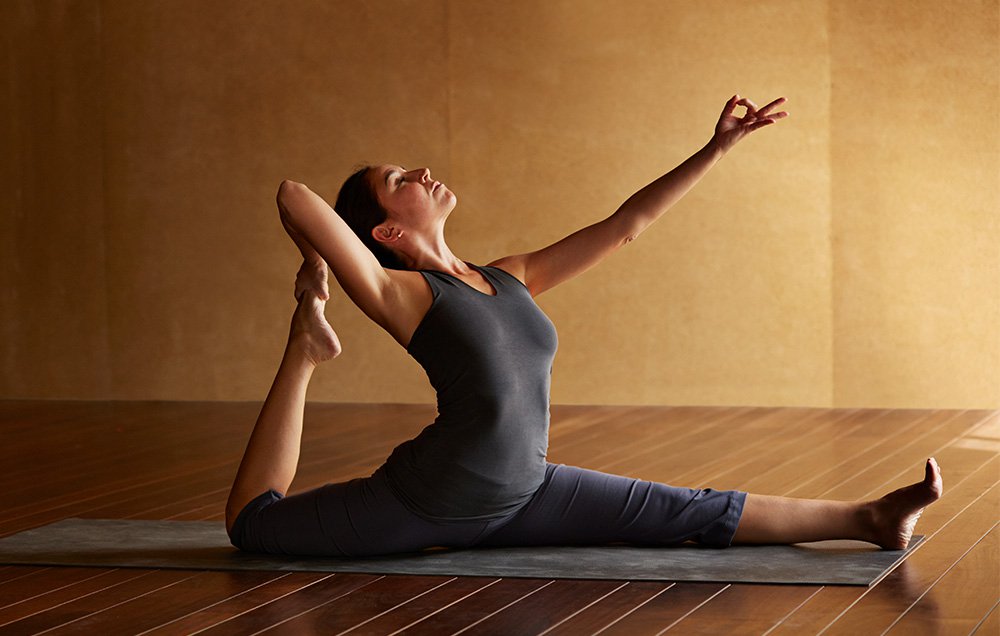
Slow yoga includes styles like Hatha or Yin, where poses are held for longer periods and transitions are gentle. The focus is on alignment, breathing, and deep awareness.
Fast yoga—often called Vinyasa or Power Yoga—involves continuous movement, linking breath with motion in a more dynamic, cardio-like flow.
Both approaches are effective, but they work your body in very different ways.
Benefits of Slow Yoga
Slow yoga is often underestimated, but it can be incredibly powerful for overall health.
1. Improves Flexibility and Mobility
Holding poses for longer allows muscles and connective tissues to gradually release. Over time, this can lead to deeper flexibility and improved joint mobility.
2. Reduces Stress and Tension
Slow-paced sessions activate the parasympathetic nervous system—the body’s “rest and recover” mode. This makes slow yoga especially effective for reducing anxiety and chronic stress.
3. Enhances Mind-Body Awareness
With fewer movements and more time in each pose, you become more aware of alignment, breathing patterns, and subtle sensations in the body.
4. Supports Recovery
If you’re sore, injured, or fatigued, slow yoga provides a gentle way to stay active without overloading your system.
Benefits of Fast Yoga
Fast yoga brings a different kind of intensity, offering both physical and mental rewards.
1. Builds Strength and Endurance
Moving quickly between poses engages multiple muscle groups continuously, helping build strength and stamina.
2. Boosts Cardiovascular Health
Unlike slower styles, fast yoga can elevate your heart rate, providing benefits similar to light-to-moderate cardio exercise.
3. Burns More Calories
The constant movement increases energy expenditure, which may support weight management goals.
4. Improves Focus Under Pressure
Keeping up with a faster pace challenges coordination and concentration, sharpening your ability to stay present in motion.
Which Is Better for Your Body?
Rather than asking which is better, a more useful question is: better for what?
- For relaxation and stress relief: Slow yoga is the clear winner
- For fitness and calorie burn: Fast yoga has the edge
- For beginners: Slow yoga often provides a safer, more accessible starting point
- For experienced practitioners: Fast yoga can add intensity and variety
Your body doesn’t have a single fixed need. Some days you may crave calm and stillness; other days, movement and energy.
The Ideal Approach: Balance Both
The most beneficial routine often includes a mix of both styles. Combining slow and fast yoga allows you to:
- Build strength while maintaining flexibility
- Improve fitness without increasing injury risk
- Balance high-energy workouts with restorative recovery
For example, you might practice fast yoga a few times a week and include one or two slower sessions to reset and recover.
Listening to Your Body
The real key isn’t choosing the “perfect” style—it’s learning to respond to your body’s signals. If you feel exhausted, tight, or overwhelmed, slow yoga may serve you better. If you feel restless, energetic, or in need of a challenge, fast yoga might be the right fit.
Final Thoughts
Both slow and fast yoga offer meaningful benefits, and neither is universally superior. Each supports your body in different ways—one through stillness and depth, the other through movement and intensity.
Instead of picking sides, think of them as complementary tools. When used together, they create a more complete, sustainable approach to health—one that strengthens your body while also giving it space to recover and recharge.
What do you think about this article? Please share it and comment.
You would like to ask a question, publish an article with us or place and advertisement? Please contact us.
 General Health Magazine