
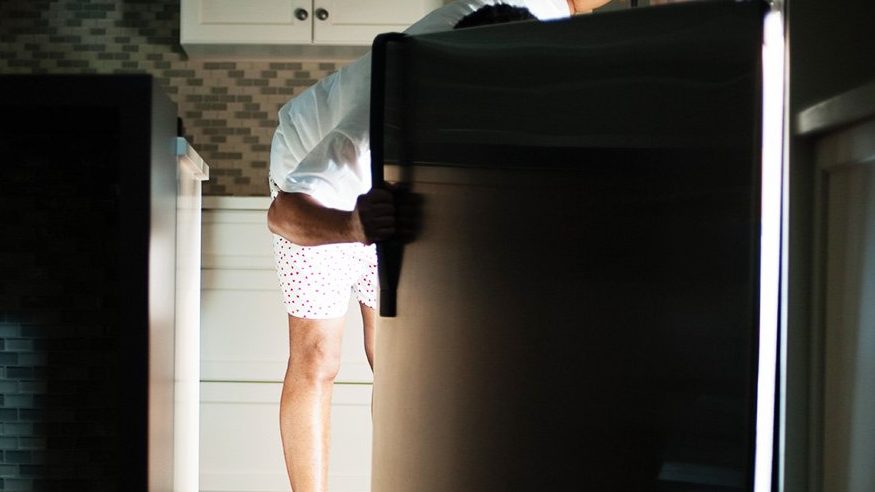
Stress eating has a way of creeping in quietly, especially at night. After a long day, when your energy is low and your guard is down, the urge to snack—often on sugary or salty comfort foods—can feel almost automatic. While it’s a common habit, it’s one that many people want to break. The good news? You don’t need a complicated plan or extreme discipline. A simple nighttime strategy can make a powerful difference.
Why Stress Eating Happens at Night
Evenings create the perfect conditions for emotional eating. During the day, routines, responsibilities, and social structures keep you occupied. At night, those distractions fade. What’s left is often a mix of fatigue, unresolved stress, and easy access to food.
Biologically, your body may also be playing a role. Lack of sleep and high stress can disrupt hunger hormones, increasing cravings for high-calorie foods. Psychologically, eating becomes a quick way to soothe discomfort or reward yourself after a demanding day.
The Simple Tip: Create a “Kitchen Closing Ritual”
One of the most effective ways to stop stress eating at night is to establish a clear, consistent “kitchen closing ritual.” This is a small routine that signals to your brain: eating for the day is done.
What This Looks Like
Your ritual can be simple and personalized, but it should be intentional. For example:
- Brush your teeth shortly after dinner
- Make a cup of herbal tea
- Turn off kitchen lights
- Do a quick tidy-up of counters and dishes
The key is consistency. Over time, your brain begins to associate this routine with the end of eating, reducing the urge to snack mindlessly.
Why This Works
This technique is effective because it combines behavioral cues with psychological boundaries.
- Creates a clear endpoint: Instead of relying on willpower, you establish a defined “stop” moment.
- Interrupts autopilot behavior: Stress eating is often habitual. A ritual breaks the loop.
- Replaces, not restricts: You’re not just saying “don’t eat”—you’re giving yourself something else to do.
- Engages your senses: Actions like brushing your teeth or drinking tea signal fullness and closure.
Strengthening the Habit
If you want to make this even more effective, pair your ritual with one calming activity. This helps address the root cause—stress—rather than just the symptom.
Consider:
- Reading a few pages of a book
- Gentle stretching
- Listening to calming music
- Journaling for five minutes
These alternatives provide the emotional relief you might otherwise seek from food.
Common Mistakes to Avoid
While the ritual is simple, a few pitfalls can reduce its effectiveness:
- Being inconsistent: Skipping the ritual makes it harder for your brain to form the association
- Making it too complicated: Keep it short and easy to repeat
- Using it as punishment: This isn’t about restriction—it’s about structure and care
A Small Change with Big Impact
Stopping stress eating doesn’t require perfect self-control. Often, it’s about designing your environment and habits in a way that works with your brain, not against it.
A nightly kitchen closing ritual is a small shift, but it creates a powerful boundary between nourishment and emotional coping. Over time, that boundary becomes second nature—and those late-night cravings lose their grip.
Sometimes, the simplest changes are the ones that stick.
What do you think about this article? Please share it and comment.
You would like to ask a question, publish an article with us or place and advertisement? Please contact us.

