
Low-carbohydrate diets have moved from niche nutrition strategies to mainstream lifestyle choices. From ketogenic and Paleo eating patterns to earlier programs like Atkins and South Beach, reducing carbohydrate intake has become a popular way to manage weight, stabilize blood sugar, and improve overall health. As a result, many people are reconsidering the role of bread, grains, and sugary foods in their daily meals.
However, carbohydrates are present in far more foods than most people realize. Fruits, legumes, and even certain vegetables can contribute significant carbohydrate content. For individuals attempting to lower their intake, understanding where carbohydrates come from—and which foods are naturally low in them—is essential.
Understanding What “Low-Carb” Really Means
One of the most important things to recognize about low-carbohydrate diets is that there is no universal definition of “low-carb.” Nutritional needs vary widely between individuals depending on factors such as metabolism, physical activity, health goals, and existing medical conditions.
Registered dietitian Mary Ellen Phipps, owner of Milk & Honey Nutrition, emphasizes that dietary strategies should be personalized. What works well for one person may not be appropriate for another.
For many of her clients following a lower-carbohydrate plan, Phipps recommends a daily intake between 30 and 80 grams of carbohydrates. Within that range, a typical distribution might include:
- Breakfast: 12–25 grams
- Lunch: 20–30 grams
- Dinner: 15–25 grams
- Snacks: 0–10 grams
This flexible approach allows individuals to maintain balanced nutrition while reducing excess refined carbohydrates.
The Importance of Net Carbohydrates
When monitoring carbohydrate intake, many nutrition professionals focus on net carbohydrates, which represent the amount that significantly affects blood sugar levels.
Total carbohydrate counts on food labels include fiber and sometimes sugar alcohols. Because fiber is not digested the same way as other carbohydrates, it has a minimal impact on blood glucose. Net carbohydrates are calculated using a simple formula:
Net Carbs = Total Carbohydrates − Fiber − Sugar Alcohols (if listed)
For example, if a food contains 20 grams of carbohydrates and 4 grams of fiber, its net carbohydrate count would be 16 grams.
Tracking net carbohydrates can help individuals make more informed choices while still including nutrient-rich foods such as vegetables, legumes, and certain fruits.
Maintaining Balance in a Low-Carb Diet
While reducing carbohydrates can support certain health goals, balance remains essential. Phipps notes that listening to the body and practicing moderation are key to maintaining a healthy relationship with food.
Carbohydrates are the body’s preferred energy source. When intake drops suddenly, some individuals experience temporary symptoms such as fatigue, headaches, or irritability as the body adapts to using fat for fuel. Ensuring adequate hydration, fiber intake, and nutrient-rich foods can help ease this transition.
A Practical Low-Carbohydrate Foods List
For individuals looking to incorporate more low-carb options into their meals, the following foods provide a useful starting point. Many are rich in protein, healthy fats, vitamins, and minerals while containing minimal net carbohydrates.
Protein-Rich Foods
Salmon — Net Carbs: 0 grams
Salmon is widely recognized as a nutrient-dense food. It provides high-quality protein along with omega-3 fatty acids that support heart health. A typical three-ounce serving contains virtually no carbohydrates.
Tuna — Net Carbs: 0 grams
Tuna is another lean, protein-rich seafood option that also supplies vitamins A, B12, D, and K, along with minerals such as iron and zinc. Because some tuna varieties contain higher mercury levels, moderation is recommended.
Eggs — Net Carbs: 0.36 grams
Eggs are an affordable and versatile protein source. They contain essential nutrients including vitamin D, selenium, zinc, and B vitamins, making them a staple in many low-carb diets.
Tofu — Net Carbs: 0.6 grams
For plant-based eaters, tofu provides complete protein with all essential amino acids. It is also a good source of iron, calcium, and B vitamins.
Chicken — Net Carbs: 0 grams
Lean poultry, especially skinless chicken breast, contains no carbohydrates and provides substantial protein along with selenium and B vitamins.
Low-Carbohydrate Vegetables
Bell Peppers — Net Carbs: 2.7 grams
Colorful and nutrient-dense, bell peppers supply antioxidants such as vitamins A and C while contributing minimal carbohydrates.
Broccoli — Net Carbs: 3.6 grams
Broccoli is a cruciferous vegetable rich in fiber, vitamin C, and vitamin K. It also contributes beneficial plant compounds linked to overall health.
Spinach — Net Carbs: 0.4 grams
Leafy greens like spinach are extremely low in carbohydrates while offering high concentrations of vitamins A and K, folate, and magnesium.
Asparagus — Net Carbs: 2.4 grams
Asparagus provides vitamin K, folate, and antioxidants, making it a nutritious addition to low-carb meal plans.
Cauliflower — Net Carbs: 3.2 grams
Cauliflower has become a cornerstone of low-carb cooking due to its versatility. It can be used as a substitute for rice, mashed potatoes, or pizza crust.
Zucchini — Net Carbs: 4 grams
Zucchini is often spiralized into “zoodles” as a pasta alternative. It also supplies vitamin C, potassium, and folate.
Spaghetti Squash — Net Carbs: 7.8 grams
When cooked, the flesh of spaghetti squash separates into strands resembling pasta, making it a popular low-carb substitute for traditional noodles.
Low-Carbohydrate Fruits
Although fruit naturally contains sugars, several varieties can fit comfortably into a moderate low-carb diet.
Apricots — Net Carbs: 3.2 grams
These small fruits are rich in vitamin A and provide a naturally sweet flavor with relatively few carbohydrates.
Kiwi — Net Carbs: 8 grams
Kiwis deliver more than a full day’s requirement of vitamin C along with vitamin K and antioxidants.
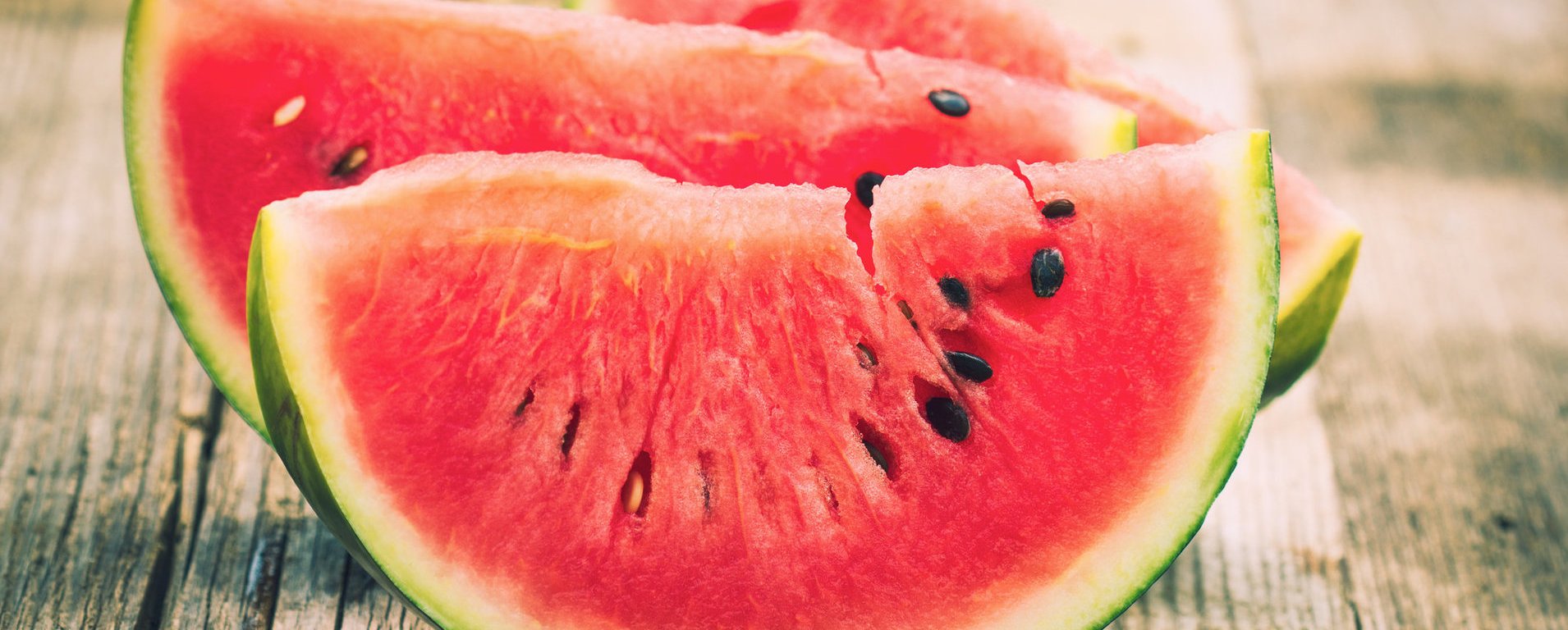
Watermelon — Net Carbs: 10.9 grams
Despite its sweet taste, watermelon has a high water content and contains fewer carbohydrates than many people expect.
Cantaloupe — Net Carbs: 11.3 grams
Cantaloupe provides significant amounts of vitamins A and C while remaining relatively moderate in carbohydrates.
Peaches — Net Carbs: 12.1 grams
Peaches offer vitamin E, potassium, and folate, making them a nutritious fruit option when consumed in moderate portions.
Legumes and Plant-Based Options
Legumes contain more carbohydrates than many other foods on this list, but their high fiber and protein content can make them suitable in controlled portions.
Chickpeas — Net Carbs: 10.9 grams (per ½ cup)
Chickpeas supply plant-based protein and fiber, which helps slow digestion and increase satiety.
Black Beans — Net Carbs: 11.6 grams (per ½ cup)
Black beans are rich in potassium, fiber, and beneficial phytonutrients that support overall health.
Healthy Fats
Avocado — Net Carbs: 0.8 grams
Avocados are an excellent source of heart-healthy monounsaturated fats and dietary fiber. They also provide folate and several B vitamins.
Final Thoughts
Low-carbohydrate diets can be an effective strategy for individuals seeking to improve metabolic health or manage weight. However, success depends on more than simply eliminating bread or pasta. Understanding net carbohydrates, choosing nutrient-dense foods, and maintaining dietary balance are all critical components of a sustainable approach.
Rather than focusing solely on restriction, a well-designed low-carb plan emphasizes whole foods, adequate protein, healthy fats, and fiber-rich vegetables. With thoughtful planning and mindful portion control, it is entirely possible to enjoy a diverse, satisfying diet while keeping carbohydrate intake within desired limits.
What do you think about this article? Please share it and comment.
You would like to ask a question, publish an article with us or place and advertisement? Please contact us.
 General Health Magazine