
Consumers today are surrounded by health-focused marketing claims. Terms such as “natural,” “low-fat,” “sugar-free,” and “organic” often create the impression that a product is automatically beneficial. However, nutrition science is more nuanced, and some foods commonly perceived as healthy may have drawbacks that consumers should understand.
Rather than focusing on labels alone, experts recommend evaluating foods based on their nutritional quality, level of processing, ingredient composition, and overall role within a balanced diet.
Here are 21 foods and food categories that may warrant closer scrutiny.
1. Fruit Juice
Although fruit juice contains vitamins and antioxidants, it often lacks the fiber found in whole fruit. Without fiber to slow digestion, fruit juice can deliver a concentrated amount of naturally occurring sugars in a relatively short period.
Whole fruits generally provide greater satiety and more balanced blood sugar responses, making them a preferable choice for daily consumption.
Healthier Alternative: Fresh whole fruits, infused water, or smoothies made with whole fruit and fiber-rich ingredients.
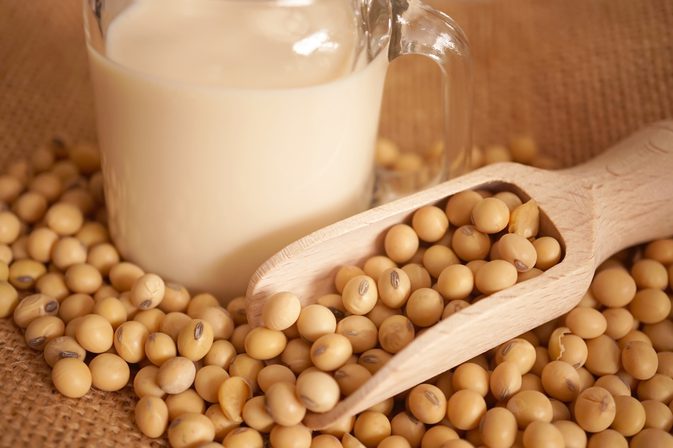
2. Highly Processed Soy Products
Soy foods can vary considerably in nutritional quality. While fermented soy products such as tempeh, natto, and miso may offer beneficial nutrients, highly processed soy-based products often contain additives, refined ingredients, or excessive sodium.
Consumers may benefit from focusing on minimally processed forms of soy while maintaining variety in their protein sources.
Healthier Alternative: Tempeh, natto, edamame, legumes, and other minimally processed plant proteins.
3. Sugar Alcohols
Sugar alcohols such as xylitol, sorbitol, maltitol, and erythritol are frequently used in sugar-free products. While they can help reduce sugar intake, some individuals experience digestive discomfort, including bloating, gas, or diarrhea, particularly when consumed in large amounts.
Healthier Alternative: Moderate amounts of natural sweeteners such as honey, monk fruit, or stevia, depending on individual dietary needs.
4. Certain Farm-Raised Fish
Fish remains one of the healthiest protein sources available, but farming practices vary significantly around the world. Nutritional quality, environmental impact, and contaminant exposure can differ depending on species and production methods.
Consumers may benefit from researching sourcing standards and selecting seafood from reputable fisheries and aquaculture operations.
Healthier Alternative: Sustainably sourced salmon, sardines, trout, and mackerel.
5. Microwave Popcorn with Artificial Additives
Many microwave popcorn products contain added flavorings, preservatives, and significant amounts of sodium or saturated fat. While popcorn itself is a whole grain, heavily processed varieties may not offer the same nutritional benefits.
Healthier Alternative: Air-popped or stovetop popcorn prepared with minimal ingredients.
6. Conventionally Raised Processed Meats
Processed meats and meats produced using intensive farming methods have raised concerns among nutrition researchers due to their associations with higher sodium intake, preservatives, and reduced nutritional quality.
Healthier Alternative: Lean meats from trusted sources, pasture-raised poultry, and grass-fed beef when available.
7. Margarine and Highly Processed Spreads
Modern margarines have improved substantially since trans fats were widely used, but some varieties still contain highly refined oils and extensive processing.
Consumers should review ingredient labels and choose products with minimal processing and favorable fat profiles.
Healthier Alternative: Olive oil, avocado, grass-fed butter, or ghee in moderation.
8. Imported Farmed Shrimp from Poorly Regulated Sources
Shrimp can be a nutritious seafood choice, but production standards differ worldwide. Concerns regarding antibiotic use, environmental contamination, and farming practices have led many consumers to seek higher-quality sourcing.
Healthier Alternative: Certified sustainable shrimp or other responsibly sourced seafood.
9. Highly Refined Vegetable Oils
Certain refined seed oils undergo extensive industrial processing and are commonly used in ultra-processed foods. While scientific debate continues regarding their health impacts, reducing reliance on heavily processed foods remains a widely supported nutritional strategy.
Healthier Alternative: Extra virgin olive oil, avocado oil, and minimally processed cooking fats.
10. Refined Table Salt
Excess sodium intake is associated with elevated blood pressure in some individuals. While salt itself is not inherently harmful, excessive consumption through processed foods remains a public health concern.
Healthier Alternative: Use salt in moderation and emphasize herbs, spices, and whole foods for flavor.
11. Artificial Sweeteners
Artificial sweeteners are approved for use by food safety authorities and can help reduce sugar consumption. However, research continues to examine their effects on appetite regulation, gut microbiota, and long-term dietary habits.
Healthier Alternative: Reduce overall sweetness preferences and use sweeteners sparingly.
12. Fat-Free Dairy Products with Added Sugar
Removing fat from dairy products often leads manufacturers to add sugar or flavorings to improve taste and texture. As a result, some fat-free products may contain more added sugar than consumers realize.
Healthier Alternative: Plain yogurt, kefir, and minimally processed dairy products with little or no added sugar.
13. Swai Fish
Swai has become increasingly common in restaurants and supermarkets due to its affordability. However, concerns about sourcing transparency, environmental practices, and quality control have prompted many nutrition professionals to recommend alternative fish options.
Healthier Alternative: Cod, haddock, wild salmon, or sustainably sourced trout.
14. Seitan
Seitan is a popular meat substitute made primarily from wheat gluten. While it can be a useful protein source for some individuals, it is unsuitable for those with celiac disease, gluten intolerance, or wheat sensitivities.
Healthier Alternative: Lentils, beans, tofu, tempeh, and quinoa.
15. Specialty Coffee Drinks
Coffee itself contains antioxidants and has been linked to several potential health benefits. However, many specialty coffee beverages contain large amounts of added sugar, flavored syrups, whipped toppings, and excess calories.
Healthier Alternative: Black coffee, coffee with milk, or lightly sweetened beverages.
16. Agave Nectar
Agave nectar is often marketed as a natural sweetener. However, like other concentrated sweeteners, it should still be consumed in moderation as part of an overall balanced diet.
Healthier Alternative: Small amounts of honey, maple syrup, or other natural sweeteners.
17. Heavily Charred Meat
Cooking meat at extremely high temperatures can produce compounds that researchers continue to study for their potential health effects. Excessive charring is generally discouraged.
Healthier Alternative: Use moderate cooking temperatures, marinate meats, and avoid excessive burning.
18. Weight-Loss Supplements
Many weight-loss supplements are marketed with bold claims despite limited evidence supporting their effectiveness. Some have also been associated with adverse effects and safety concerns.
Healthier Alternative: Sustainable dietary changes, physical activity, and guidance from qualified healthcare professionals.
19. Conventionally Grown Strawberries
Strawberries are nutrient-dense and provide valuable vitamins, minerals, and antioxidants. However, they are frequently cited in reports examining pesticide residues on produce.
Healthier Alternative: Organic strawberries when available, or thoroughly washed conventional strawberries.
20. Canned Vegetables with Added Ingredients
Canned vegetables can be convenient and nutritious, but some varieties contain added sodium, preservatives, or can-lining materials that some consumers prefer to avoid.
Healthier Alternative: Fresh or frozen vegetables without added ingredients.
21. Traditional Pancake Breakfasts
Many commercial pancake mixes and syrup products contain refined flour, added sugars, and highly processed ingredients. These meals can be calorie-dense while offering limited nutritional value.
Healthier Alternative: Whole-grain or protein-rich pancakes topped with fresh fruit and moderate amounts of natural sweeteners.
Key Takeaways
Nutrition is rarely black and white. Few foods are inherently “good” or “bad,” but some products marketed as healthy may not be as beneficial as consumers assume. Focusing on whole, minimally processed foods, reading ingredient labels carefully, and maintaining dietary variety remain among the most effective strategies for supporting long-term health.
Ultimately, the healthiest eating pattern is one built around nutrient-dense foods, moderation, and informed choices rather than marketing claims alone.
What do you think about this article? Please share it and comment.
You would like to ask a question, publish an article with us or place and advertisement? Please contact us.

